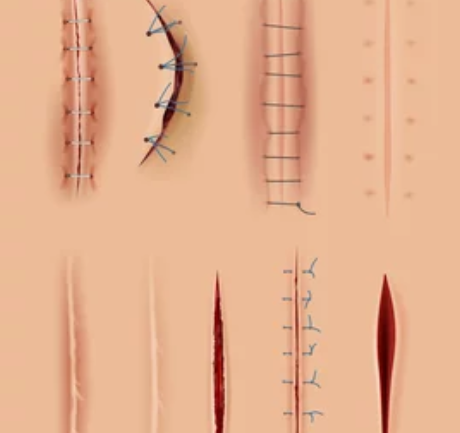
💡 KEY INSIGHT: The right scar treatment in Singapore depends on the type of scar, not the clinic’s favourite machine. Raised and keloid scars usually respond best to silicone plus doctor-led steroid injections, while pitted acne scars need resurfacing procedures such as fractional laser, subcision or RF microneedling. No treatment erases a scar — the realistic goal is a flatter, softer, less noticeable one.
Updated October 2026 · GaiaGuides · 9 min read
Maybe it’s a C-section scar that turned thick and itchy, a keloid on your earlobe that keeps growing, or acne marks that make you reach for concealer every morning. Whatever brought you here, you’ve probably noticed that searching for scar treatment in Singapore throws up dozens of clinics, each promising something different.
The confusing part is that “scar” covers several very different problems. A raised keloid and a pitted acne scar are almost opposites — one has too much collagen, the other too little — so the treatment that works for one can be useless for the other.
This guide sorts scars by type, explains which treatments have the strongest evidence for each, what they typically cost in Singapore, and when you should see a doctor rather than rely on a cream.
IN THIS ARTICLE
- What Scar Treatment Can (and Can’t) Do
- The Main Types of Scars
- Scar Treatment Options in Singapore
- Raised Scars and Keloids: Why Doctor-Led Treatment Matters
- Scar Treatment Cost in Singapore (2026)
- How Long Before You See Results?
- When to See a Doctor
- FAQs
Scar Treatment at Nee Soon Clinic
Doctor-led assessment and treatment for keloids, hypertrophic and raised surgical scars — using intralesional steroid injection, botulinum toxin and INDIBA radiofrequency, matched to your scar type.
What Scar Treatment Can (and Can’t) Do
A scar is the skin’s permanent repair after the deeper layer (the dermis) has been injured. The new tissue is made of collagen laid down in a different pattern from normal skin, which is why scars look and feel different.
That has an important consequence: scar treatment improves scars rather than removing them. Good treatment can make a scar flatter, softer, paler, less itchy and much less noticeable — but the skin will not return to exactly how it was. Be wary of any clinic that promises otherwise.
International scar-management guidelines, written by multidisciplinary expert panels, agree on a step-by-step approach: start with the least invasive option that suits the scar, then add procedures if it isn’t improving (Updated Scar Management Practical Guidelines, JPRAS).
The Main Types of Scars
Before choosing a treatment, it helps to know which kind of scar you have. A doctor can confirm this in a few minutes.
| Scar type | What it looks like | Usual first-line options |
|---|---|---|
| Keloid | Raised, firm, often itchy; grows beyond the original wound (earlobes, chest, shoulders) | Steroid injections + silicone; surgery only with follow-up treatment |
| Hypertrophic | Raised and red but stays within the wound line (surgery, burns, cuts) | Silicone gel or sheets; steroid injections if not improving |
| Atrophic (acne) scars | Sunken pits — ice-pick, boxcar or rolling | Fractional laser, RF microneedling, subcision, TCA CROSS |
| Post-acne marks | Flat brown or red marks — not true scars | Sunscreen, brightening skincare, pigment or vascular laser |
| Contracture | Tight scar that limits movement, often after burns | Specialist assessment; therapy, sometimes surgery |
Keloids deserve special mention. They are more common in people with darker skin and in those with a family history, and they can keep enlarging for months or years. Because they behave so differently, keloids should always be assessed by a doctor.
Scar Treatment Options in Singapore
Here are the main options you’ll be offered, roughly from least to most invasive.
1. Silicone gel or silicone sheets
Silicone is the most widely recommended first step for raised scars and for preventing them after surgery. It works by keeping the scar hydrated and reducing water loss, which calms the overactive collagen production behind raised scars. International guidelines describe silicone as the first-line, non-invasive option for both prevention and treatment. If you’d rather start at home, our guide to the best scar cream in Singapore compares silicone gels and a silicone-free alternative.
2. Intralesional steroid injections
For established raised and keloid scars, injecting a corticosteroid (usually triamcinolone) directly into the scar is one of the most studied treatments. It reduces inflammation and slows the cells that over-produce collagen, so the scar gradually flattens and itches less. Injections are typically repeated every four to eight weeks. Side effects can include temporary thinning or lightening of the surrounding skin, which is why dosing should be done by an experienced doctor.
3. Botulinum toxin for scars
Better known for jaw slimming and wrinkles, botulinum toxin is also used for some scars. By relaxing the muscles that pull on a healing wound, it reduces tension — one of the drivers of wide, thick scars. It is most useful early on, for facial or high-movement areas, rather than for old, mature scars.
4. Laser treatments
Different lasers do different jobs. Vascular lasers target redness in newer scars; pigment lasers help with brown marks; fractional lasers (such as fractional CO2) resurface textured and pitted scars by stimulating new collagen. Laser leaves skin temporarily sensitive, so good aftercare matters — see our guide to post-laser skincare in Singapore.
5. Procedures for acne scars
Pitted acne scars usually need a combination approach. Subcision releases the fibrous bands that tether rolling scars down; TCA CROSS uses a strong acid applied precisely into ice-pick scars; RF microneedling and fractional laser remodel the surrounding skin. Most people need several sessions spaced weeks apart.
6. Other options for stubborn scars
For keloids that don’t respond, doctors may add other injectable medicines (such as 5-fluorouracil), cryotherapy, or surgical removal combined with follow-up injections, silicone or radiotherapy. Cutting out a keloid on its own is generally avoided because recurrence is common.
7. Supportive therapies
Radiofrequency therapy such as INDIBA, scar massage and pressure garments can help scars feel softer and more flexible, particularly after surgery. Evidence for these is stronger for comfort and mobility than for changing how a scar looks, so think of them as add-ons rather than stand-alone treatments.
Raised Scars and Keloids: Why Doctor-Led Treatment Matters
[Best for keloids and raised surgical scars]
Raised scars are where a medical assessment makes the biggest difference. Steroid injections need the right dose and depth; too little does nothing, too much can leave a dent. Keloids also need a long-term plan, because they can return.
Nee Soon Clinic’s scar treatment is a good example of the approach we look for. Its doctors assess each scar first, then combine intralesional steroid injection — the most established option for keloids and hypertrophic scars — with botulinum toxin where muscle tension is a factor, and INDIBA radiofrequency as supportive therapy for tightness and flexibility. They are also upfront that complete scar removal isn’t possible, which is the honest starting point you want.
[Best for pitted acne scars]
If your scars are sunken rather than raised, look for a clinic that offers a combination of resurfacing (fractional laser or RF microneedling) with subcision or TCA CROSS, and that tailors settings to Asian skin, which has a higher risk of post-inflammatory darkening.
Scar Treatment Cost in Singapore (2026)
Prices vary widely with the scar type, size, number of sessions and the doctor. As a rough guide from published clinic price lists:
- Silicone gels and sheets: roughly S$40–S$95 per tube at pharmacies such as Watsons and Guardian.
- Acne scar procedures (laser, RF microneedling, subcision): commonly S$350–S$1,200 per session, with most plans needing several sessions.
- Steroid injections for raised scars: priced per session and usually among the more affordable medical options, but depend on the size and number of scars.
Always ask whether quoted prices include the 9% GST, consultation fees and any follow-up visits. A cheaper per-session price can cost more overall if you need twice as many sessions.
How Long Before You See Results?
- Silicone: use consistently for at least two to three months. Guidelines suggest moving to steroid injections if a raised scar hasn’t improved after about two months.
- Steroid injections: many people notice less itch and some softening after the first session; flattening is gradual over several sessions four to eight weeks apart.
- Acne scar procedures: collagen remodelling takes time — improvement typically builds over three to six months after a course of treatment.
- New surgical scars: scars naturally mature over 12–18 months, so early care (silicone, sun protection, avoiding tension) has the most influence on the final result.
When to See a Doctor
Book an assessment if your scar is growing beyond the original wound, getting thicker or more raised, persistently itchy or painful, restricting movement, or bothering you enough to affect your confidence. Early treatment tends to work better, especially if you know you’re prone to keloids. Any scar that bleeds, ulcerates or changes unexpectedly should be checked promptly.
Key Takeaway
The most effective scar treatment in Singapore is the one matched to your scar. For raised and keloid scars, silicone and doctor-led steroid injections have the strongest evidence; for pitted acne scars, a combination of resurfacing procedures works best. Set realistic expectations — meaningful improvement, not erasure — and choose a doctor who explains your scar type before recommending a treatment.
Credible References
- Mustoe TA, et al. International Clinical Recommendations on Scar Management. Plastic and Reconstructive Surgery, 2002.
- Monstrey S, et al. Updated Scar Management Practical Guidelines: Non-invasive and invasive measures. Journal of Plastic, Reconstructive & Aesthetic Surgery, 2014.
- American Academy of Family Physicians — Management of Keloids and Hypertrophic Scars.
- Medscape — Keloid and Hypertrophic Scar Treatment & Management.
FAQs — SCAR TREATMENT SINGAPORE
1. Can scars be completely removed?
No. Scar treatment can make a scar much flatter, softer and less visible, but scar tissue is a permanent change in the skin. Be cautious of anyone promising complete removal.
2. What is the best treatment for keloids in Singapore?
Intralesional steroid injection, often combined with silicone, is one of the most established first-line treatments. Stubborn keloids may need additional medicines or surgery combined with follow-up treatment. A doctor should assess every keloid.
3. How much does scar treatment cost in Singapore?
It depends on the scar and the treatment. Acne scar procedures commonly cost S$350–S$1,200 per session; silicone gels cost roughly S$40–S$95. Check whether prices include GST and follow-up visits.
4. Can old scars still be treated?
Yes, although mature scars can be slower to respond than newer ones. Many people see worthwhile improvement in scars that are years old.
5. Do scar creams work?
Silicone-based gels have the most evidence, mainly for raised and surgical scars. Creams won’t fill in pitted acne scars — those need procedures. See our scar cream guide for options.
A NOTE FROM GAIA GUIDES
Scars are part of how we heal, and wanting one to fade is completely reasonable. The best results we see come from patience and the right match — the right treatment for the right scar type, from a doctor who’s honest about what’s achievable. Start with an assessment, not a package.
RELATED READING
EXPERTS YOU CAN TRUST
✓ Evidence-Based & Fact-Checked. Last updated October 2026.
Based on international scar-management guidelines, peer-reviewed dermatology literature and published Singapore clinic information. This article is for general information and is not a substitute for medical advice.